Stepping into the world of credit can feel like trying to solve a puzzle with missing pieces. You know you need a credit card to build a credit history, but you often need a credit history to get a credit card. This classic catch-22 can be frustrating, especially when you’re just starting your financial journey and want to do everything online.
The good news is that the financial landscape has changed. Lenders now recognize the need for accessible entry points into the credit system. There are specific cards designed precisely for beginners, and many of the best options are incredibly easy to apply for online, getting you on the path to a strong financial future without the usual headaches.
Why Is It So Hard for Beginners to Get a Standard Credit Card?
When you apply for a credit card, lenders are essentially deciding whether to loan you money. To make this decision, they look at your financial track record, which is summarized in your credit report and credit score. If you’re a beginner, you likely have what’s called a “thin file” or no file at all.
From a lender’s perspective, no credit history is a significant unknown. They have no data to predict if you’ll be a responsible borrower who pays their bills on time. This lack of information makes you a higher risk than someone with a long, proven history of managing debt well. Consequently, applications for standard rewards or cashback credit cards are often denied.
Types of Starter Credit Cards Perfect for Beginners
Fortunately, several types of credit cards are specifically designed to bridge this gap. These cards are your best bet for getting approved online with little to no credit history.
Secured Credit Cards: The Surest Path to Approval
A secured credit card is almost certainly the easiest type of credit card to obtain. The “security” comes from a refundable cash deposit you make upfront. This deposit typically equals your credit limit. For example, a $300 deposit will usually get you a $300 credit limit.
Why are they so easy to get? The deposit removes nearly all risk for the lender. If you fail to make payments, the issuer can use your deposit to cover the debt. For you, it functions just like a regular credit card:
- You can use it to make purchases online and in stores.
- You must make monthly payments on your balance.
- Crucially, your payment activity is reported to the major credit bureaus (Equifax, Experian, and TransUnion), which is how you build your credit history.
Once you’ve demonstrated responsible use over time (usually 6-12 months), many issuers will review your account, refund your deposit, and upgrade you to an unsecured card.
Student Credit Cards: Designed for Academic Life
If you’re currently enrolled in college, a student credit card is an excellent option. These are unsecured cards, meaning they don’t require a security deposit. Issuers understand that students typically have limited income and no credit history, so the approval requirements are much more lenient than for standard cards.
Student cards often come with modest credit limits and may offer rewards tailored to a student lifestyle, like extra cash back on textbooks, dining, or gas. They are a fantastic tool for learning financial responsibility while earning a degree.
Unsecured Cards for Fair or Limited Credit
A small number of unsecured credit cards are marketed toward individuals with “fair” or “limited” credit history. These can be slightly harder to get than a secured or student card but are still much more accessible than prime rewards cards.
Be cautious with this category. Some cards, often called “credit-builder” unsecured cards, may come with high annual fees, monthly maintenance fees, or very high interest rates. It’s vital to read the terms and conditions carefully to ensure the cost of the card doesn’t outweigh the benefit of building credit.
Key Features to Look for in Your First Credit Card
When you’re comparing your options, don’t just look for the one with the highest chance of approval. The right starter card should set you up for long-term success. Prioritize these features:
- No Annual Fee: You shouldn’t have to pay a yearly fee just to build credit. Most of the best starter cards have no annual fee.
- Reports to All Three Credit Bureaus: This is non-negotiable. The entire point is to build a comprehensive credit history, which requires your payment data to be sent to Equifax, Experian, and TransUnion.
- Low Security Deposit (for secured cards): Look for cards that allow a minimum deposit of $200 or less, making them more accessible.
- A Clear Path to Upgrade: Does the issuer have a program for automatically reviewing your account for an upgrade to an unsecured card and a deposit refund? This saves you the hassle of closing one account and opening another later.
- User-Friendly Mobile App and Website: A good digital experience makes it easy to track your spending, check your balance, and make payments on time.
Comparing Top Easy-to-Get Credit Card Types
To help you visualize the differences, here is a comparison of the typical features you’ll find in each category of starter credit cards.
| Card Type | Best For | Typical APR | Annual Fee | Key Feature |
|---|---|---|---|---|
| Secured Card | Anyone with no or damaged credit. | 20% – 30% | $0 (Typically) | Requires a refundable security deposit. Very high approval odds. |
| Student Card | College students. | 18% – 28% | $0 (Typically) | No deposit required. May offer student-focused rewards. |
| Unsecured (Fair Credit) | Those with a short credit history or who can’t afford a deposit. | 25% – 36% | $0 – $99+ | No deposit, but may have higher fees and interest rates. |
Step-by-Step Guide to Applying for Your First Card Online
The online application process is designed to be quick and straightforward. Following these steps can increase your chances of a smooth approval.
- Check Your Credit Report: Even if you think it’s empty, it’s wise to check. You can get free copies of your reports from the three major bureaus at sites like AnnualCreditReport.com. This ensures there are no errors or unexpected accounts in your name.
- Gather Your Information: You will need your legal name, address, date of birth, Social Security Number (or ITIN), and information about your annual income. Income can include wages, allowances, and scholarships.
- Research and Choose a Card: Based on the types above, decide which card is the best fit for your situation (e.g., secured or student). Read reviews and compare features.
- Use Pre-Approval Tools: Many major issuers like Discover and Capital One offer online pre-approval tools. These let you see which cards you’ll likely qualify for without performing a “hard inquiry” that can temporarily ding your credit score.
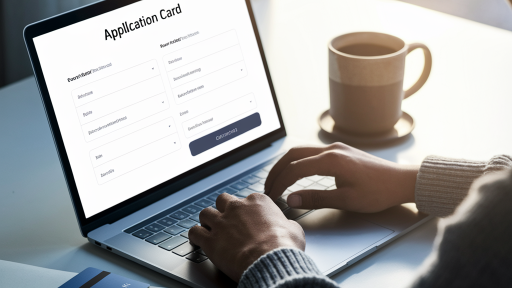
- Complete the Online Application: Once you’ve chosen a card, navigate to the issuer’s secure website and fill out the application. Double-check all information for accuracy before submitting.
- After You Apply: You’ll often receive a decision within minutes. If approved, your card will arrive in the mail in 7-10 business days. If denied, the issuer is required to send you a letter explaining why. Use this feedback to improve your financial situation before applying again.
Building Good Habits with Your First Credit Card
Getting the card is only the first step. How you use it will determine your financial future. Focus on developing these three crucial habits from day one:
- Pay on Time, Every Time: Your payment history is the single most important factor in your credit score. Set up automatic payments or calendar reminders to ensure you never miss a due date.
- Keep Your Balance Low: Try to use less than 30% of your available credit limit. This is known as your credit utilization ratio. For example, on a card with a $500 limit, try to keep your balance below $150. A low utilization ratio signals to lenders that you are a responsible manager of debt.
- Pay in Full if Possible: While you only have to make the minimum payment, interest can add up quickly. To avoid debt, make it a goal to pay your statement balance in full each month.
Conclusion: Your First Step Toward a Strong Financial Future
Navigating the world of credit for the first time doesn’t have to be intimidating. By focusing on the right type of product, you can easily secure a card online and begin building a positive credit history. Secured cards offer a near-guaranteed path to approval, while student cards provide a great unsecured alternative for those in school. The most important thing is to start, use your new card responsibly, and be patient as you build your score.
By taking this proactive step, you are laying the foundation for future financial goals, whether it’s renting an apartment, financing a car, or one day buying a home. For a comprehensive overview of your rights and what to look for, you can learn more about finding the easiest online credit card to get for beginners from trusted sources like the Consumer Financial Protection Bureau.