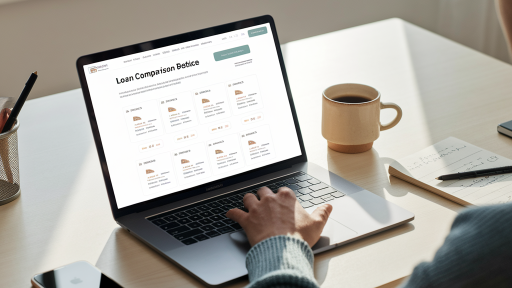
In today’s fast-paced digital world, almost every financial service has found its way online, and borrowing money is no exception. The days of needing to schedule an appointment at a bank, fill out stacks of paperwork, and wait weeks for a decision are quickly being replaced by a more streamlined, accessible process you can complete from your couch.
This shift has opened up a world of convenience, but it also brings new questions. Understanding the ins and outs of this digital lending landscape is crucial for anyone considering it. This guide will break down exactly what an online loan is, how the process unfolds from start to finish, and what you need to know to navigate it safely and effectively.
What Exactly Is an Online Loan?
An online loan is simply a loan that is applied for, processed, approved, and funded entirely through the internet. Unlike traditional loans from brick-and-mortar banks or credit unions, the entire lifecycle of an online loan happens digitally. The lenders are often financial technology (fintech) companies, specialized online lending platforms, or the digital divisions of established banks.
The core difference lies in the process and infrastructure. Online lenders leverage technology to automate many of the underwriting and verification steps, which dramatically speeds up the timeline. Instead of face-to-face meetings, applicants use web forms, upload documents electronically, and communicate via email or secure messaging. This digital-first approach is designed for speed, efficiency, and convenience.
The Step-by-Step Process: How Online Loans Work
While every lender has a slightly different interface, the fundamental mechanics of securing an online loan follow a predictable path. Understanding these stages can demystify the process and help you know what to expect.
- The Initial Application: This is the starting point where you provide basic information through a secure online form. You’ll typically be asked for your name, address, date of birth, Social Security number, employment status, and annual income. You’ll also specify the loan amount you need and the purpose of the loan.
- Pre-Qualification and Soft Credit Check: Many online lenders offer a pre-qualification step. Here, they perform a “soft” credit inquiry, which does not impact your credit score. Based on this initial check and the financial information you provided, the lender can give you a preliminary idea of the loan amounts, interest rates, and terms you might qualify for. This is a great way to shop around and compare offers without any commitment or negative effect on your credit.
- Formal Approval and Hard Credit Check: Once you choose an offer and decide to proceed, you’ll move to the formal application. This stage is more thorough and requires the lender to perform a “hard” credit inquiry, which is recorded on your credit report and can temporarily lower your score by a few points. The lender will work to verify all the information you submitted, which may involve requesting digital copies of pay stubs, bank statements, or tax returns.
- Reviewing the Loan Agreement: If you are approved, you will receive a formal loan agreement. This is the most critical document in the process. It’s essential to read it carefully and understand all the terms, including the Annual Percentage Rate (APR), the total cost of the loan, the monthly payment amount, the repayment schedule, and any potential fees for late payments or prepayment.
- Funding and Disbursement: After you electronically sign the loan agreement, the lender will disburse the funds. The most common method is a direct deposit into your checking or savings account. One of the biggest advantages of online loans is the speed of this step, with many lenders funding the loan within one to two business days.
- Repayment: Repayment typically begins about 30 days after you receive the funds. Most online lenders offer an online portal where you can manage your account, view your balance, and make payments. Setting up automatic payments (autopay) is a popular and convenient option that helps ensure you never miss a due date.
Common Types of Online Loans Available
The online lending market is diverse, offering various products to suit different financial needs. Here are some of the most common types you’ll encounter:
- Personal Loans: These are the most versatile online loans. They are usually unsecured (meaning no collateral is required) and can be used for almost any purpose, such as debt consolidation, home improvements, medical bills, or a major purchase. They come with a fixed interest rate and a set repayment term, usually between two and seven years.
- Payday Loans: These are short-term, high-interest loans designed to be repaid on your next payday. While they offer extremely fast access to cash for emergencies, they are often criticized for their very high APRs and the potential to trap borrowers in a cycle of debt. They should be considered with extreme caution.
- Installment Loans: This is a broad category that technically includes personal loans. An installment loan is any loan where you borrow a lump sum of money and pay it back in fixed, regular payments (installments) over a set period.
- Lines of Credit: Similar to a credit card, an online line of credit gives you access to a set amount of funds that you can draw from as needed. You only pay interest on the amount you use. This offers more flexibility than a standard loan where you receive all the money at once.
Comparing Online Lenders vs. Traditional Banks
Deciding where to borrow from can be tough. This table breaks down the key differences between modern online lenders and traditional banking institutions.
| Feature | Online Lenders | Traditional Banks |
|---|---|---|
| Application Process | Entirely digital, 24/7 availability | Often requires in-person visit, paperwork |
| Approval Speed | Minutes to hours, funding in 1-2 days | Days to weeks |
| Interest Rates | Can be competitive, but may be higher for some borrowers | Often lower for well-qualified borrowers with existing relationships |
| Credit Requirements | Broader range, some specialize in fair or poor credit | Typically stricter, favoring good to excellent credit |
| Customer Support | Primarily via phone, email, or chat | In-person branch support available |
The Pros and Cons of Getting a Loan Online
Like any financial product, online loans come with a set of advantages and potential drawbacks that are important to weigh.
Advantages of Online Loans
- Convenience: The ability to apply from anywhere, at any time, without visiting a bank is the primary benefit.
- Speed: The streamlined application and automated underwriting mean you can often get approved and funded much faster than with traditional methods.
- Comparison Shopping: It’s easy to compare rates and terms from multiple lenders online in a short amount of time using pre-qualification tools.
- Accessibility: Some online lenders have more flexible eligibility criteria than traditional banks, potentially making it easier for those with a less-than-perfect good credit score to get approved.
Potential Drawbacks to Consider
- Risk of Scams: The anonymity of the internet can attract fraudulent operators. It’s vital to verify the legitimacy of a lender.
- Higher Interest Rates: While rates can be competitive, some online loans, particularly those for borrowers with poor credit, can carry higher APRs than those from a credit union or bank.
- Lack of In-Person Support: If you prefer face-to-face interaction when discussing your finances, the digital-only model may not be for you.
- Hidden Fees: It is crucial to read the fine print for any origination fees, prepayment penalties, or late payment fees that could increase the total cost of the loan.
How to Apply Safely and Avoid Scams
The convenience of online lending is undeniable, but it requires vigilance. A healthy dose of skepticism and a commitment to due diligence are your best defenses against predatory lenders.
First, always confirm the lender is reputable. Check for online reviews from multiple sources and look up their profile with the Better Business Bureau. A legitimate lender will have a secure website—look for “https” in the URL and a padlock symbol in the address bar. Be extremely wary of any lender that promises “guaranteed approval” or demands an upfront fee before you receive your loan funds; these are major red flags. Legitimate origination fees are always deducted from the loan proceeds, not paid out-of-pocket beforehand. By taking these precautions, you can better avoid online loan scams and protect your financial well-being.
Online loans have fundamentally changed how people access credit, offering a powerful combination of speed, convenience, and choice. They provide a viable and often preferable alternative to traditional banking for many borrowers. However, this convenience comes with the responsibility of being an informed consumer. By understanding the process, comparing your options, and carefully vetting potential lenders, you can harness the benefits of digital lending while mitigating the risks. To learn more about the specifics of your rights as a borrower and to gain a deeper understanding of how an online loan works, consulting resources from government agencies can provide invaluable, unbiased information.