Navigating the world of finance can feel overwhelming, especially when you need access to funds quickly. In today’s digital age, online loans have emerged as a convenient and often faster alternative to traditional banking, offering a lifeline for everything from unexpected car repairs to consolidating debt.
If you’re considering this path for the first time, you’re in the right place. This comprehensive guide is designed to demystify the process, empowering you with the knowledge to not only secure your first online loan but to do so wisely and confidently, setting yourself up for financial success.
What Exactly Is an Online Loan?
At its core, an online loan is a sum of money borrowed from a lender through a digital platform, with the entire process—from application and approval to funding and repayment—handled over the internet. This stands in stark contrast to traditional loans from banks or credit unions, which often require in-person visits, extensive paperwork, and longer waiting periods.
The primary appeal of online lenders lies in their efficiency and accessibility. They often use sophisticated algorithms to assess an applicant’s creditworthiness, which can lead to near-instant decisions. For many first-time borrowers, this speed and convenience are the deciding factors. However, this convenience comes with the responsibility of understanding the different types of loans available.
Types of Online Loans Available for First-Timers
When you start your search, you’ll encounter various loan products. Understanding the basic categories will help you choose the one that best fits your needs.
- Personal Loans: This is the most common and versatile type of online loan. It’s typically an unsecured loan (meaning no collateral is required) that you can use for almost any purpose, like debt consolidation, home improvements, or medical emergencies. They are repaid in fixed monthly installments over a set period.
- Installment Loans: This is a broad category that includes personal loans. The defining feature is a fixed or variable interest rate with a repayment schedule of regular, equal payments (installments) over a predetermined loan term.
- Payday Loans: These are short-term, high-cost loans designed to be repaid on your next payday. While they offer very fast cash with minimal requirements, they should be approached with extreme caution. Their astronomically high interest rates can easily trap borrowers in a cycle of debt.
- Lines of Credit: Unlike a loan where you receive a lump sum, a line of credit gives you access to a set amount of funds you can draw from as needed. You only pay interest on the amount you use. It’s a flexible option for ongoing or unpredictable expenses.
Before You Apply: A Crucial Checklist
Jumping into a loan application without preparation is a common mistake. Taking a few proactive steps can significantly increase your chances of approval and ensure you get favorable terms. Think of it as doing your homework before a big exam.
1. Assess Your Financial Health
The most important question you need to answer is: “Can I realistically afford to repay this loan?” This isn’t just about your current bank balance; it’s about your overall financial picture. Start by creating a simple budget. List all your monthly income sources and subtract all your fixed and variable expenses. The amount left over is what you have available to cover a new loan payment.
Also, consider your debt-to-income (DTI) ratio, which is your total monthly debt payments divided by your gross monthly income. Lenders use this metric to gauge your ability to manage new debt. A lower DTI ratio is always better.
2. Understand Your Credit Score
Your credit score is a three-digit number that serves as a snapshot of your financial reliability. Lenders use it to predict the risk of lending you money. A higher score generally translates to better loan offers with lower interest rates. Scores typically range from 300 to 850.
- Excellent Credit (720+): You’ll likely qualify for the best rates and terms.
- Good Credit (690-719): You’re still a strong candidate for competitive loans.
- Fair Credit (630-689): You may find options, but interest rates might be higher.
- Bad Credit (below 630): Approval can be challenging, and loans will come with very high interest rates.
You are entitled to a free credit report from each of the three major credit bureaus (Equifax, Experian, and TransUnion) annually. Reviewing your report allows you to check for errors and understand where you stand before lenders see your profile.
3. Determine How Much You Really Need
When a lender approves you for a certain amount, it can be tempting to take the full sum. Resist this urge. Borrowing more than you need means you’ll be paying more in interest over the life of the loan. Be precise about the amount required for your specific purpose and stick to it. If you need $3,000 for a new furnace, don’t borrow $5,000 just to have extra cash on hand. This financial discipline is key to responsible borrowing.
The Step-by-Step Application Process
Once your preparation is complete, you’re ready to begin the application process. Following these steps methodically will help you navigate the journey smoothly and secure the best possible deal for your situation.
Step 1: Research and Compare Lenders
The online lending marketplace is vast. Your first offer is rarely your best offer. Spend time comparing at least three to five different lenders. Many lenders offer a “pre-qualification” process, which uses a soft credit check (that doesn’t impact your score) to show you the potential rates and terms you might receive. This is an invaluable tool for comparison shopping.
Key Comparison Points for Lenders
Use a structured approach to evaluate your options. A simple table can help organize the information and make the best choice clear.
| Feature | What to Look For | Why It Matters |
|---|---|---|
| Interest Rate (APR) | The Annual Percentage Rate, which includes interest and some fees. Always compare the APR, not just the interest rate. | This is the true cost of borrowing. A lower APR means you pay less over the life of the loan. |
| Fees | Origination fees (a percentage of the loan), late payment fees, prepayment penalties. | Hidden fees can significantly increase the total cost of your loan. Look for lenders with transparent and minimal fees. |
| Repayment Terms | The length of the loan (e.g., 24, 36, 60 months). | Longer terms mean lower monthly payments but more interest paid overall. Shorter terms have higher payments but save you money on interest. |
| Lender Reputation | Reviews from customers on sites like Trustpilot or the Better Business Bureau (BBB). | A reputable lender will have good customer service and transparent practices, making the borrowing experience smoother and safer. |
Step 2: Gather Your Documents
To streamline your application, have your documentation ready. While requirements vary by lender, you will almost always need the following:
- Proof of Identity: A government-issued ID like a driver’s license, state ID, or passport.
- Proof of Income: Recent pay stubs, bank statements, or tax returns (W-2s or 1099s).
- Proof of Address: A recent utility bill or lease agreement with your name and address.
- Social Security Number: For identity verification and credit checks.
- Bank Account Information: The routing and account numbers for the account where you want the funds deposited and from where payments will be withdrawn.
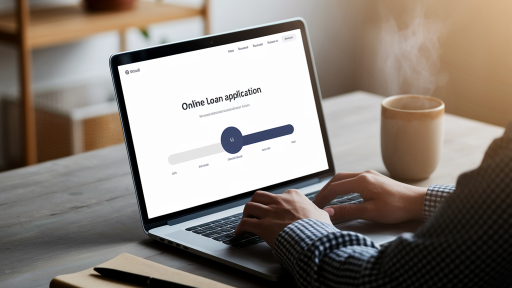
Step 3: Complete the Online Application
Once you’ve chosen a lender, it’s time to fill out the formal application. This will involve a “hard” credit inquiry, which may temporarily dip your credit score by a few points. Be meticulous and double-check all the information you provide for accuracy. Any discrepancies can lead to delays or denial.
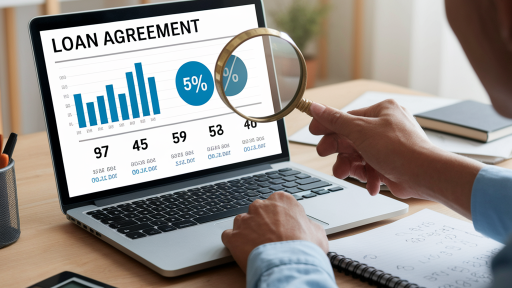
Step 4: Review the Loan Agreement
This is the most critical step. If you are approved, the lender will send you a formal loan agreement. Do not skim this document. Read every line carefully before signing electronically. This is a legally binding contract, and you need to understand exactly what you’re agreeing to.
Pay special attention to:
- The final APR: Ensure it matches the rate you were quoted.
- The total repayment amount: This shows the principal plus all the interest you’ll pay over the term.
- The monthly payment: Confirm the amount and the first due date.
- Penalties: Understand the consequences for late payments and if there are any fees for paying the loan off early (prepayment penalties).
Understanding Key Loan Terminology
The world of lending is full of jargon. Familiarizing yourself with these key terms will help you understand your loan agreement and communicate more effectively with lenders.
- APR (Annual Percentage Rate): The total yearly cost of a loan, including the interest rate and certain fees, expressed as a percentage. It’s the most accurate measure of the cost of borrowing.
- Principal: The initial amount of money you borrow from the lender, before any interest is added.
- Term: The length of time you have to repay the loan, usually expressed in months or years.
- Origination Fee: A one-time fee charged by some lenders to process your loan application. It’s typically deducted from the loan principal before you receive the funds.
- Secured vs. Unsecured Loan: A secured loan is backed by collateral (like a car or house), which the lender can seize if you default. An unsecured loan has no collateral and is based solely on your creditworthiness. Most online personal loans are unsecured.
Managing Your First Online Loan Responsibly
Securing the funds is only half the battle. How you manage the repayment will have a lasting impact on your financial future. A well-managed loan can be a stepping stone to a better credit score and greater financial opportunities.
Create a Repayment Plan
The best strategy is to automate your payments. Set up an automatic withdrawal from your checking account for the due date. This ensures you are never late and helps you avoid costly fees and negative marks on your credit report. If you prefer manual control, set multiple calendar reminders a few days before each payment is due.
What Happens if You Miss a Payment?
If you anticipate you might miss a payment, be proactive. Contact your lender immediately. Many are willing to work with you, perhaps by offering a temporary deferment or a modified payment plan. Ignoring the problem is the worst thing you can do. A missed payment will result in a late fee and will be reported to the credit bureaus, damaging your credit score.
The Benefits of Paying It Off Early
If you find yourself with extra cash, consider making additional payments or paying off your loan early. This can save you a significant amount of money in interest. However, always check your loan agreement first to ensure there is no prepayment penalty, which is a fee some lenders charge for early repayment.
Common Pitfalls to Avoid
As a first-time borrower, it’s easy to make mistakes. Be aware of these common traps to ensure a positive borrowing experience.
- Ignoring the APR: Focusing only on a low monthly payment can be misleading. A longer term will always have a lower payment but can cost you thousands more in interest. The APR is the true measure of cost.
- Not Reading the Fine Print: Skipping the terms and conditions can lead you to agree to unfavorable terms, hidden fees, or high penalties.
- Borrowing More Than You Can Afford: Overextending yourself can lead to a cycle of debt, missed payments, and severe damage to your credit.
- Falling for Predatory Lending Scams: Be wary of lenders who promise “guaranteed approval” regardless of your credit, demand upfront fees, or pressure you into signing immediately. Legitimate lenders will always check your ability to repay. You can learn more about how to recognize and avoid these scams from the Federal Trade Commission.
An online loan can be an incredibly useful financial tool when approached with diligence and a clear understanding of the responsibilities involved. By assessing your needs, thoroughly researching your options, and committing to a solid repayment strategy, you can make your first borrowing experience a successful one.
This journey is about more than just getting cash; it’s about making an informed financial decision that supports your goals without compromising your future stability. For further unbiased information and resources, a great place to start is the official guide on getting your first online loan from the Consumer Financial Protection Bureau, which offers valuable insights for borrowers.