Navigating the world of online lending can feel like a lifeline when you need quick access to funds. The convenience is unmatched: applications from your couch, fast decisions, and money deposited directly into your account. It’s a modern solution to an age-old problem, offering a streamlined alternative to traditional banking.
However, this digital convenience comes with a significant catch. The very anonymity and ease that attract borrowers also create a breeding ground for scams and predatory lenders. Distinguishing a legitimate financial partner from a digital shark is not just a good idea—it’s an essential step in protecting your financial future. This comprehensive guide will provide you with the knowledge and tools to do just that.
Why Vetting Online Lenders is Crucial in Today’s Digital Age
The explosion of the fintech industry has democratized borrowing, but it has also muddied the waters. For every reputable company offering fair terms, there’s another lurking in the shadows, ready to trap unsuspecting borrowers in cycles of debt. The risks are not trivial; they range from exorbitant interest rates and hidden fees to outright identity theft.
Predatory lenders specifically target those in vulnerable financial situations, using deceptive marketing and high-pressure tactics. They might promise “guaranteed approval” or “no credit check” to lure you in, only to present you with a loan agreement filled with impossible terms. Falling for such a scheme can decimate your savings, ruin your credit, and leave you in a far worse position than when you started. A thorough vetting process is your primary defense against these dangers, ensuring you secure the funds you need without compromising your long-term financial security.
Step 1: The Initial Research and Red Flag Detection
Your journey begins not with an application, but with careful investigation. The initial screening process can help you quickly eliminate the most obvious bad actors and create a shortlist of potential lenders worth a closer look.
Start with Aggregators, But Don’t End There
Online loan marketplaces and comparison websites can be excellent starting points. They allow you to see offers from multiple lenders at once by filling out a single pre-qualification form. This can save you time and give you a broad overview of the rates you might qualify for. However, treat these platforms as a directory, not a seal of approval. Their inclusion of a lender doesn’t automatically mean that lender is reputable. Use them to gather names, but always conduct your own independent research on any lender that catches your eye.
Scrutinize the Lender’s Website
A lender’s website is their digital storefront, and it speaks volumes about their legitimacy. Pay close attention to the following:
- Professionalism: Does the site look professional and well-designed? Frequent typos, grammatical errors, and low-quality images are major red flags.
- Security: Check the URL. It must begin with “https” and have a padlock icon in the address bar. This indicates a secure, encrypted connection that protects your data. Never enter personal information on a site that is not secure.
- Contact Information: A reputable lender will be transparent about who they are and where they are located. Look for a clear “Contact Us” page that lists a verifiable physical address and a customer service phone number. If this information is missing or buried, be extremely cautious.
Spotting Immediate Red Flags
Some tactics are tell-tale signs of a predatory lender or an outright scam. If you encounter any of the following, you should immediately walk away:
- Guaranteed Approval: Legitimate lenders must assess risk. They need to review your credit and income to determine if you can repay the loan. A promise of “100% guaranteed approval” is a marketing gimmick used to attract desperate borrowers.
- Requests for Upfront Fees: This is one of the most common loan scams. A lender may claim you need to pay a “processing fee,” “insurance,” or “origination fee” before you receive your loan funds. Legitimate origination fees are always deducted from the loan proceeds, not paid out of your pocket beforehand.
- High-Pressure Tactics: If a lender pressures you to “act now” before a “special offer” expires or rushes you through the paperwork, they are likely trying to prevent you from reading the fine print. A reputable lender will encourage you to take your time and understand the terms completely.
Step 2: Verifying Legitimacy and Credentials
Once a lender has passed your initial sniff test, it’s time to dig deeper and verify their credentials. This step separates the established, regulated companies from the fly-by-night operations.
Check for State Licensing and Registration
In the United States, most lenders are required to be registered or licensed in the states where they do business. This is a critical piece of verification. A license means the lender is subject to federal and state laws designed to protect consumers. Many lenders list their licensing information in the footer of their website. You can and should verify this information independently. A primary resource for this is the NMLS Consumer Access website, a free service for consumers to confirm that the financial-services company or professional with whom they wish to conduct business is authorized to conduct business in their state.
Dive into Customer Reviews and Third-Party Ratings
What are other borrowers saying? While a few negative reviews are normal for any business, a consistent pattern of complaints is a serious warning sign. Go beyond the testimonials on the lender’s own site and check independent sources:
- Better Business Bureau (BBB): Check the lender’s rating and read through any customer complaints and how the company responded. A high volume of unresolved complaints is a bad sign.
- Trustpilot: This is another popular platform for user-generated reviews of online businesses.
- Consumer Financial Protection Bureau (CFPB) Complaint Database: This is a government-run database where you can search for complaints filed against financial companies, including online lenders. Look for patterns related to billing issues, hidden fees, or aggressive collection tactics.
When reading reviews, learn to be critical. Look for detailed, specific accounts of user experiences rather than vague one-star or five-star ratings. Consistent themes will give you the most accurate picture.
Step 3: Understanding Loan Terms and Conditions
This is where the details matter most. A loan agreement is a legally binding contract, and your failure to understand it can have severe financial consequences. A reputable lender will make this information clear and accessible before you are asked to sign anything.
The Importance of the Fine Print
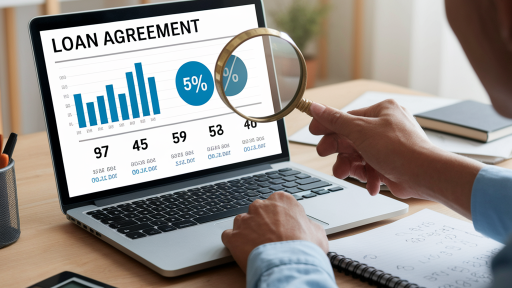
Never, ever sign a loan agreement without reading every single word. This document outlines your entire obligation, including how much you will pay, when you will pay it, and what happens if you don’t. If the lender does not allow you to review the agreement before committing, that is a definitive reason to walk away.
Key Terms to Analyze
Focus on these critical components of any loan offer:
- Annual Percentage Rate (APR): This is the most important number. The APR represents the total annual cost of borrowing, including the interest rate plus any mandatory fees (like origination fees). A lender might advertise a low interest rate, but the APR reveals the true cost. Always compare loans based on APR, not just the interest rate. To learn more about how it’s calculated, you can find detailed explanations on financial education sites like Investopedia.
- Fees: Look for a complete schedule of fees. Common ones include origination fees (for processing the loan), late payment fees, and insufficient funds (NSF) fees. Be particularly wary of prepayment penalties, which charge you a fee for paying off your loan early. Safe lenders rarely have these for personal loans.
- Repayment Schedule: The agreement must clearly state the loan term (e.g., 36 months), your exact monthly payment amount, and the due date for each payment. Ensure this fits within your budget.
Comparative Table: Reputable vs. Predatory Lender
This table illustrates the stark differences you should look for:
| Feature | Reputable Online Lender | Predatory Online Lender |
|---|---|---|
| APR Disclosure | Clear, prominent, and includes all mandatory fees. Complies with federal TILA regulations. | Vague, hidden, or focuses only on a low “interest rate.” May have triple-digit APRs. |
| Fee Transparency | All potential fees (origination, late, NSF) are clearly listed in the loan agreement. | Hidden fees, undisclosed penalties, and may demand “upfront” payments. |
| Licensing & Registration | Properly licensed in the states it serves; information is easy to verify. | Unlicensed or uses loopholes to avoid regulation. Information is hard or impossible to find. |
| Credit Check | Performs a credit check (soft pull for pre-qualification, hard pull for application) as part of responsible lending. | Advertises “no credit check loans” as a primary feature to trap vulnerable borrowers. |
| Customer Support | Accessible, knowledgeable, and helpful support staff available via phone, email, or chat. | Unresponsive, evasive, or uses high-pressure sales tactics. |
A Checklist for Finding a Safe Online Lender
Keep this checklist handy during your search to ensure you don’t miss any crucial steps:
- ✅ Verify Licensing: Confirm the lender is licensed to operate in your state through the NMLS or your state’s financial regulator.
- ✅ Check Independent Reviews: Look up the lender on the Better Business Bureau and CFPB complaint database.
- ✅ Confirm Contact Info: Ensure there is a verifiable physical address and a working phone number.
- ✅ Secure Website: Only use websites that start with “https” and show a padlock icon.
- ✅ Read the Full Agreement: Understand every detail before you sign. If you don’t understand something, ask.
- ✅ Focus on APR: Compare the full Annual Percentage Rate, not just the interest rate.
- ✅ Never Pay Upfront: Refuse any request to pay a fee before you receive the loan funds.
- ✅ Avoid High-Pressure Tactics: A good lender will give you time to make an informed decision.
- ✅ Trust Your Gut: If something feels off, it probably is. There are plenty of other lenders to choose from.
The digital lending landscape offers incredible opportunities but demands a high degree of caution from the borrower. By taking a methodical and diligent approach—researching, verifying, and carefully reading all terms—you empower yourself to make a sound financial decision. Taking the extra time to perform this due diligence is the best investment you can make to avoid predatory traps and secure a loan that helps, rather than harms, your financial situation.
For more detailed information on your rights as a borrower and tips for spotting fraudulent offers, the Federal Trade Commission provides essential guidance on how to find a safe and reputable online loan lender.