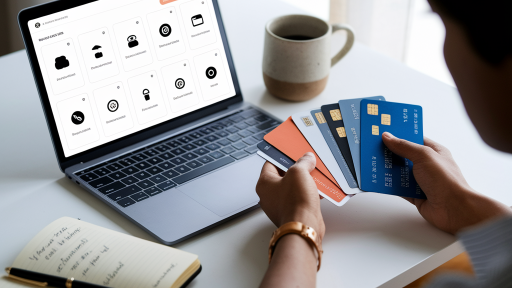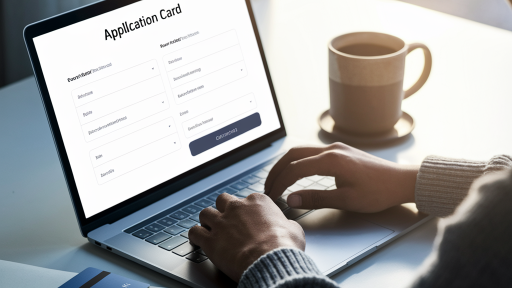
In a world where we tap, click, and swipe to buy almost everything, the security of our financial information has never been more critical. Every online purchase, subscription, or free trial sign-up involves handing over sensitive credit card details, creating a digital trail that can be vulnerable to data breaches and fraud.
This is where a powerful tool in the modern financial arsenal comes into play: the virtual online credit card. It’s designed to act as a digital shield for your primary account, offering a new layer of security and control. But is it the perfect solution for everyone? Let’s dive deep into the pros and cons to help you decide.
What Exactly is a Virtual Online Credit Card?
Think of a virtual credit card not as a separate account, but as a digital alias or a temporary stand-in for your actual physical credit or debit card. It’s a unique, randomly generated set of numbers—a 16-digit card number, an expiration date, and a CVV code—that is linked to your real account but doesn’t reveal its details.
The Core Concept: A Digital Proxy
Unlike the plastic in your wallet, a virtual card exists only in a digital format. You generate it through your bank’s mobile app, online banking portal, or a dedicated third-party service. This generated number can then be used for online shopping, subscriptions, or any transaction where you don’t need to physically present a card. The core idea is to create a buffer between the merchant and your actual, long-term financial account information.
How Do They Work?
The process is surprisingly simple. When you need to make a purchase, you log into your provider’s platform and request a virtual number. You can often customize its parameters, leading to a few different types of virtual cards:
- Single-Use Cards: These are the most secure for one-off purchases. Once the transaction is complete, the card number becomes invalid and can never be used again.
- Merchant-Locked Cards: You can create a card that can only be used with a single merchant. For example, you can generate a card exclusively for your monthly Netflix subscription. If those card details were ever stolen, they would be useless anywhere else.
- Cards with Spending Limits: This feature is perfect for budgeting or signing up for free trials. You can create a card with a specific spending limit (e.g., $5 per month) or a total cap, ensuring you’re never overcharged or billed unexpectedly after a trial period ends.
Any transaction made with the virtual number is processed and billed to your main credit card account just like a normal purchase. You see the charge on your statement, but the merchant never sees your real card details.
The Major Advantages of Using a Virtual Card
The benefits of adopting virtual cards are compelling, primarily revolving around enhanced security and greater financial control. Let’s break down the key advantages that make them so attractive.
Unparalleled Security Against Fraud
This is the number one reason people turn to virtual cards. Data breaches are a common threat, where hackers steal customer payment information from a company’s database. If your physical card number is part of such a breach, you have to go through the hassle of canceling the card and updating your payment information everywhere you use it. With a virtual card, that risk is neutralized. If the virtual number is compromised, you can simply delete it in seconds without affecting your primary account. The potential damage is contained immediately. This level of protection is something that physical cards, even with chip technology, cannot offer for online transactions.
Enhanced Control Over Your Spending
Virtual cards are a game-changer for budgeting and managing subscriptions. Have you ever signed up for a free trial and forgotten to cancel, only to be hit with an unexpected charge? By using a virtual card with a $1 limit, you prevent that from ever happening. For your kids or family members, you can issue a virtual card with a specific monthly budget for their online gaming or shopping, giving them freedom within safe financial boundaries. This granular control allows you to dictate exactly how, where, and how much money can be spent with a specific card number.
Convenience and Instant Access
Losing your wallet or waiting for a replacement card to arrive in the mail can be a major inconvenience. Virtual cards are generated instantly. The moment you are approved for a credit line or want to make a purchase, you can create and use a virtual number within seconds. This immediacy is perfect for time-sensitive purchases or for situations where you don’t have your physical wallet on hand but need to buy something online.
Privacy Protection
Every time you use your physical card online, you share your primary account details with a merchant. While most are trustworthy, using a virtual card adds a layer of anonymity. It masks your real information, reducing your digital financial footprint. This is especially useful when dealing with new or unfamiliar websites where you might be hesitant to enter your primary card details.
A Balanced Look: The Potential Downsides
While the benefits are significant, virtual cards aren’t without their limitations. It’s important to understand the potential drawbacks before fully committing to them for all your transactions.
In-Person Transaction Limitations
By their very nature, virtual cards are designed for a “card-not-present” world. You can’t just hand a string of numbers to a cashier at the grocery store. While some virtual cards can be added to digital wallets like Google Pay or Apple Pay for tap-to-pay functionality, this isn’t a universally supported feature. Their primary utility remains firmly in the realm of e-commerce and online payments, making them less flexible for your day-to-day physical shopping.
The Challenge with Returns and Refunds
This is perhaps the most significant operational hurdle. If you need a refund for a purchase made with a single-use virtual card that has since expired, the process can get complicated. The merchant’s system may try to credit the defunct card number and fail. While banks have systems to redirect these refunds to your underlying account, it can sometimes require a phone call and a manual process, leading to delays compared to a straightforward refund on a physical card. Before making a large purchase on a new site, it’s wise to understand their return policy and consider using a multi-use virtual card instead.
Not All Banks and Issuers Offer Them
Despite their growing popularity, virtual credit cards are not yet a standard feature across all financial institutions. Many major banks have integrated this feature into their apps, but some are still lagging. You might find that your current bank doesn’t offer them, forcing you to seek out a third-party provider. These third-party services, while often excellent, add another app and account to manage in your financial life.
Potential for Recurring Payment Issues
The very features that give you control can sometimes backfire if not managed carefully. If you set a virtual card to expire before a subscription renews, or if a service increases its price beyond the spending limit you set, the payment will fail. This can lead to an unintended interruption of service. It requires you to be diligent in tracking the expiration dates and limits you set for each recurring payment, adding a small layer of administrative work.
Virtual vs. Physical Credit Cards: A Comparative Table
To summarize the key differences, here is a side-by-side comparison:
| Feature | Virtual Credit Card | Physical Credit Card |
|---|---|---|
| Security | Very High (Disposable, limited numbers protect the main account) | Moderate (Vulnerable in data breaches; relies on fraud detection) |
| Usage Context | Primarily online and over-the-phone | Online and in-person (POS terminals, ATMs) |
| Issuance Speed | Instant | Days to weeks (via mail) |
| Refunds & Returns | Can be complex and delayed, especially with single-use cards | Simple and straightforward |
| Spending Control | Excellent (Set spending limits, lock to merchants, set expiration) | Limited (Overall credit limit of the account) |
| Acceptance | Accepted by all online merchants who take credit cards | Universally accepted online and offline |
Who Should Consider Using a Virtual Online Credit Card?
A virtual card is a versatile tool, but it’s particularly beneficial for certain types of users:
- The Security-Conscious Shopper: Anyone who frequently shops online and is concerned about the security of their financial data will find immense peace of mind using virtual cards.
- The Subscription Manager: If you’re juggling multiple subscriptions like streaming services, software, and delivery apps, using merchant-locked virtual cards can simplify management and prevent billing errors.
- The Budget-Savvy Consumer: Individuals who want to enforce strict spending limits for themselves or their family members can use the card’s control features to stick to their budget.
- The Free Trial Enthusiast: For those who love trying out new services, a virtual card is the perfect tool to sign up for free trials without risking an unwanted charge if you forget to cancel.
How to Get and Use a Virtual Credit Card
Getting started is typically a straightforward process. Here’s a general guide:
Step 1: Check with Your Current Card Issuer
The easiest place to start is with your existing bank or credit card company. Many large issuers like Capital One (Eno), Citi, and American Express offer a virtual card feature directly within their online portal or mobile app. Log in and look for options like “Virtual Card Numbers,” “Virtual Account Numbers,” or a similar term in the security or account services section.
Step 2: Explore Third-Party Services
If your bank doesn’t offer them, or if you want more advanced features, you can turn to dedicated third-party providers. Companies like Privacy.com, Revolut, and others specialize in creating virtual cards. These services typically link to your bank account or debit card and allow you to generate virtual credit cards with robust customization options.
Step 3: Generating and Using Your Card
Once you’ve accessed the feature, the process is simple. You’ll typically click a button to “Create a New Card,” and you may be given options to name it (e.g., “Amazon Card”), set a spending limit, and choose if it’s single-use or recurring. The service will then instantly display the card number, expiration date, and CVV. You can copy these details and paste them into the payment fields at any online checkout, just as you would with a physical card.
The Final Verdict: Is a Virtual Card Right for You?
A virtual online credit card is not a complete replacement for the physical card in your wallet, but rather a specialized and powerful supplement. For online activities, its security and control benefits are undeniable. It provides a robust defense against fraud and empowers you with a level of spending management that is simply not possible with a traditional card.
While you must be mindful of the potential complexities with refunds and the need to manage them for recurring payments, these are often minor trade-offs for the significant security advantages. For anyone who conducts a portion of their financial life online, integrating virtual cards into their payment habits is a smart, modern, and proactive step towards better financial security. For more information, you can explore consumer resources on understanding the security of a virtual online credit card and other safe payment methods.